Visiting timetable09:00 AM – 08:00 PM
|Sunday, September 20, 2026C/ de Mallorca, 401, 08013 Barcelona, Spain
Back to history
overview
Sagrada Família History and Vision - Gaudí’s Living Cathedral
Explore the origins, milestones, and spiritual vision shaping Barcelona’s Sagrada Família from 1882 to today.
11/3/2025
20 min read
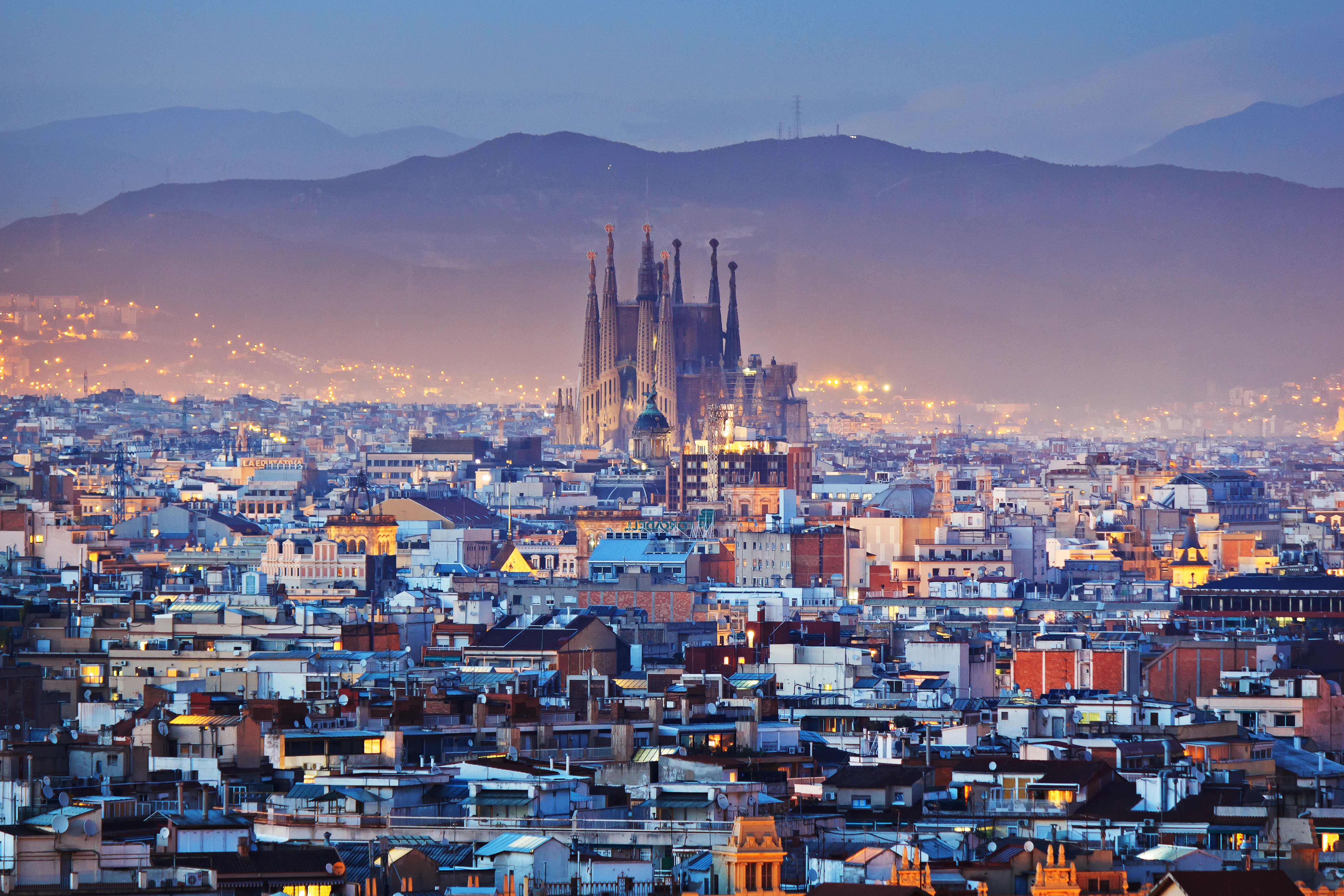
The Temple Expiatori de la Sagrada Família is a work in progress by design — a cathedral that grows like a living organism. Begun in 1882 under architect Francisco de Paula del Villar, it was radically reimagined by Antoni Gaudí from 1883 until his death in 1926.
- A lay association envisioned a church funded entirely by private donations — no public money.
- This model shaped everything: pace, priorities, and an ethos of service and humility.
- Gaudí aligned the financial model with a spiritual one: the building would rise by many hands, across generations.
Gaudí Takes Over (1883–1926)
- Inherits a neo‑Gothic plan, then pivots to a language of nature‑driven geometry.
- Develops a “total work of art”: structure, light, furniture, and even liturgical choreography.
- Experiments with inverted chain models to find forms that work with gravity, not against it.
“Originality consists of returning to the origin.” — Antoni Gaudí
Methods, Models, and the Workshop
- Design advanced through large plaster models (some at 1:10 scale).
- Craftspeople tested geometry as physical mock‑ups — a feedback loop between drawing, model, and stone.
- After 1936, shattered model fragments became a puzzle; later teams reassembled and scanned them to retrieve Gaudí’s intent.
Fires, Pauses, and Recoveries (1930s–1980s)
- 1936: Workshop burned during the Civil War; archives and models partially lost.
- Postwar work focused on stabilizing the crypt, rebuilding knowledge, and fundraising anew.
- The project’s resilience forged a culture of documentation still visible today.
From Consecration to Today (2010–Now)
- 2010: Consecrated as a minor basilica; nave opened for liturgy.
- 2010s–2020s: Evangelists’ and Mary’s tower completed; works accelerate on the Glory Façade and the central Jesus tower.
- Contemporary teams blend digital models with hand carving, keeping craft at the core.
Timeline at a Glance
- 1882: Groundbreaking (del Villar).
- 1883–1926: Gaudí era; Nativity Façade and crypt, major models.
- 1936: Fire; models damaged.
- 1950s–2000s: Passion Façade, nave vaults, transepts.
- 2010: Consecration.
- 2020s: Mary + Evangelists towers; progress on Glory + Jesus tower.
What Makes It Unique
- Structure and ornament are one system.
- Light is didactic: mornings preach birth, evenings reflect sacrifice.
- It is a collaboration across centuries, guided by models, fragments, and faith.
Visiting Pointers (2–3 Hours)
- Start outside: Nativity (east) → Passion (west) to feel the emotional arc.
- Enter the nave when the sun suits your preference: cool morning vs warm evening.
- Finish in the museum to decode the geometry and models you just saw.
FAQ
- Is it finished? Not yet; the Jesus tower remains the final summit.
- Why so long? Funding model + complexity + fidelity to craft.
- Is it really Gaudí’s work now? Teams build from his models, geometry, and program, using today’s tools.
About the Author

Architecture Historian
I created this guide to make your Sagrada Família visit simple, insightful, and stress‑free.
Tags
Sagrada Família
Barcelona
Gaudí
Modernisme
History
Comments (0)
Leave a Comment
Loading comments...